
High-quality printing has made it easier than ever to produce convincing copies of paintings. That is good news for posters – but not if you are paying for an original. At Anandini Art Gallery, every work we show is an original by the artist, and we believe every buyer should know how to check for themselves. Here are eight practical ways to tell an original painting from a print or reproduction.
1. Look for the texture of an original painting
Tilt the work against the light. Oil and acrylic paintings usually show raised brushstrokes, ridges and layering. Reproductions on canvas are generally flat, even when they imitate brush marks.
2. Use a magnifying glass
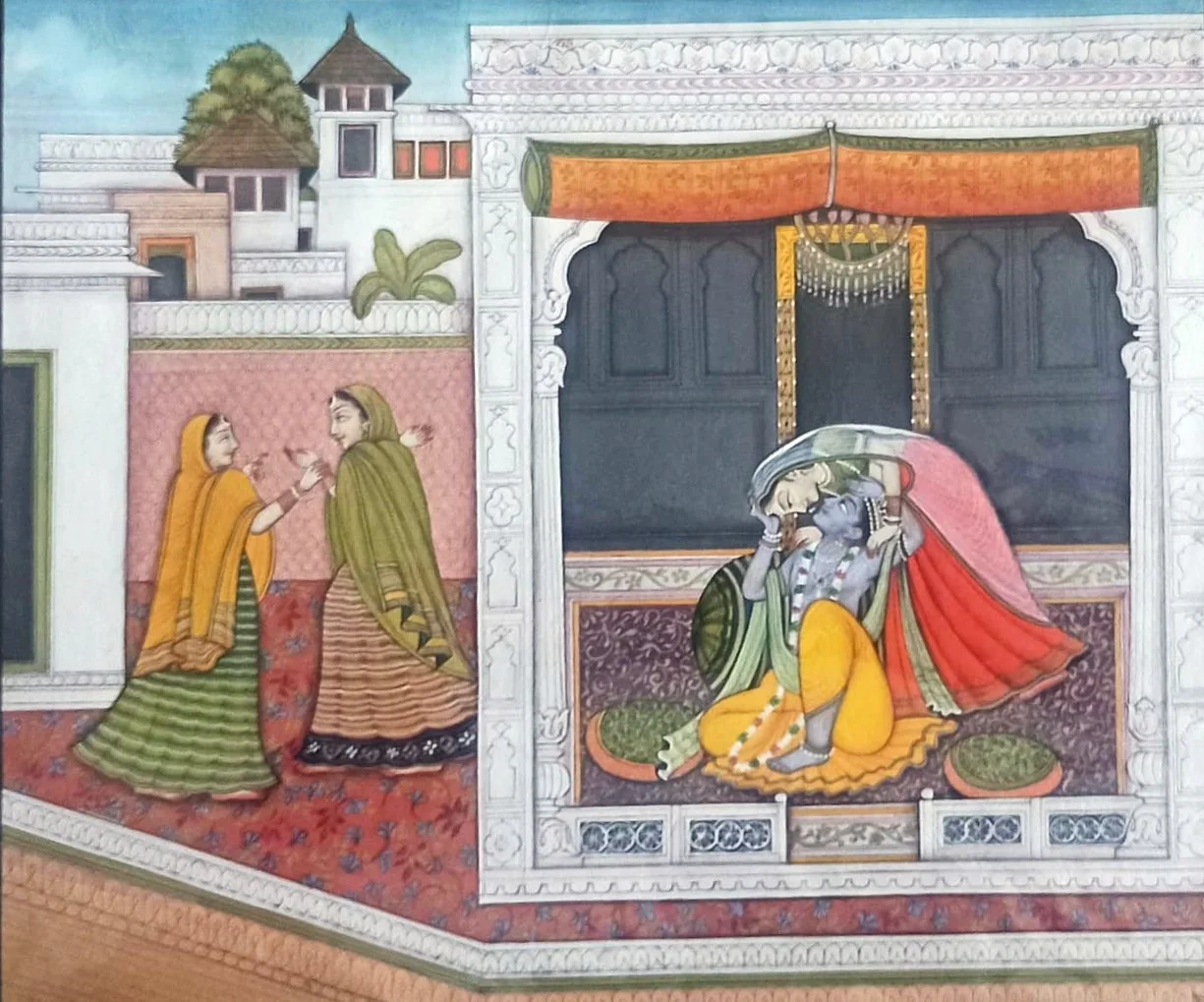
Most printed reproductions, including giclée prints, are made of tiny dots of ink in a regular pattern. Under magnification, an original painting shows continuous, irregular paint – and in traditional miniatures or Gond paintings, individually painted dots and lines.
3. Check the edges
Look at the sides of the canvas and the edges of the image. Painters often leave drips, uneven borders or paint wrapped around the sides; prints tend to have perfectly crisp edges or a white margin.
4. Turn it over
The back of a painting can tell you a lot: the age and quality of the canvas or paper, stretcher bars, artist’s notes, titles and dates. Brand-new canvas on a supposedly old painting is a warning sign.
5. Examine the signature
A hand-painted signature sits in the same paint layer as the work, or is added in pencil on original prints. A signature that looks perfectly flat and printed is likely part of a reproduction.
6. Understand fine-art prints
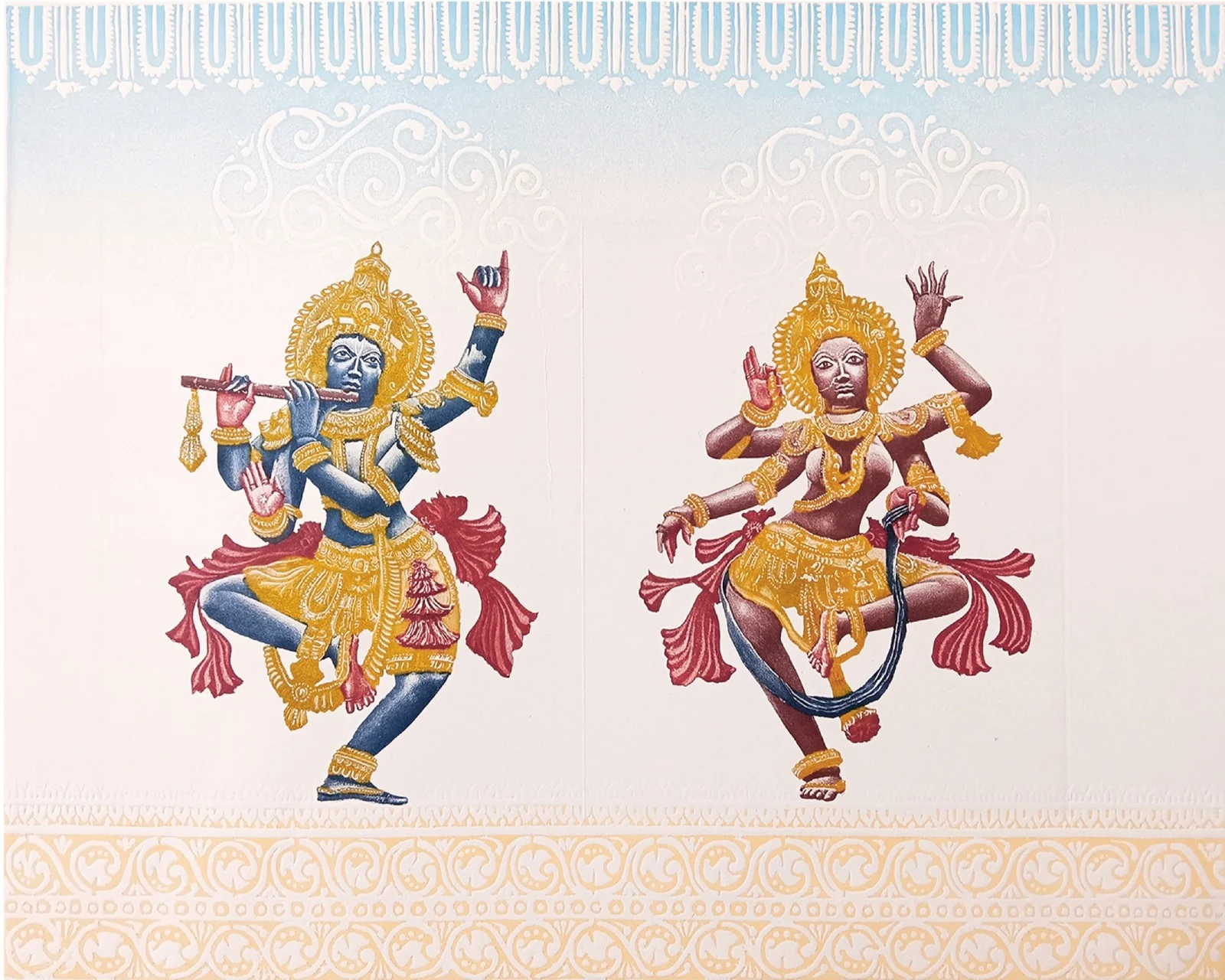
Etchings, woodcuts and lithographs are original works even though they are prints – they are made by hand by the artist and usually numbered (e.g. 5/20) and signed in pencil. Learn more in our guide to understanding printmaking.
7. Ask about provenance
Ask where the work comes from: who painted it, when, and how the gallery acquired it. A trustworthy gallery will share the artist’s background and an invoice describing the work, its medium and dimensions. All our artists have profiles on our Artists page.
8. Consider the price
An unusually low price for a large “original” by a well-known artist is a red flag. Original work reflects the artist’s time, skill and materials.
Why an original painting is worth it
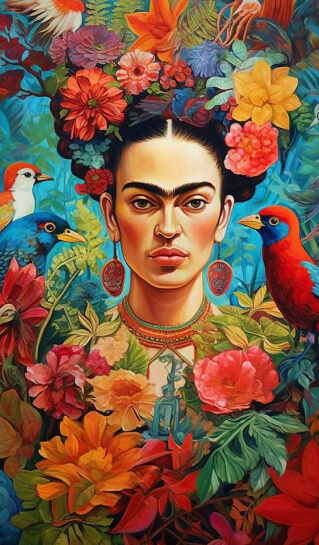
An original carries the artist’s hand, decisions and materials. It is unique, it can hold and grow in value, and it creates a direct connection between you and the artist. Read more in The Beauty of Original Art, or explore original works in our gallery.
If you have questions about any artwork, talk to us – we are happy to explain the medium, process and background of every piece.
Frequently asked questions
Look for raised brushstrokes and texture, irregular paint under magnification, uneven edges, a hand-applied signature and an authentic back. Ask the seller about the artist and the work’s provenance.
Fine-art prints such as etchings, lithographs and woodcuts that are made, numbered and signed by the artist are original artworks. Digital reproductions of paintings are not.
Ask for an invoice that names the artist and describes the artwork, its medium and its dimensions, along with information about the artist.